Choosing a Photo Frame: Check More Than the Outside Dimensions
The stated frame size does not tell you how a photograph will be supported or what will touch it. Check the opening, mat, mounting method and backing before placing an important print inside.
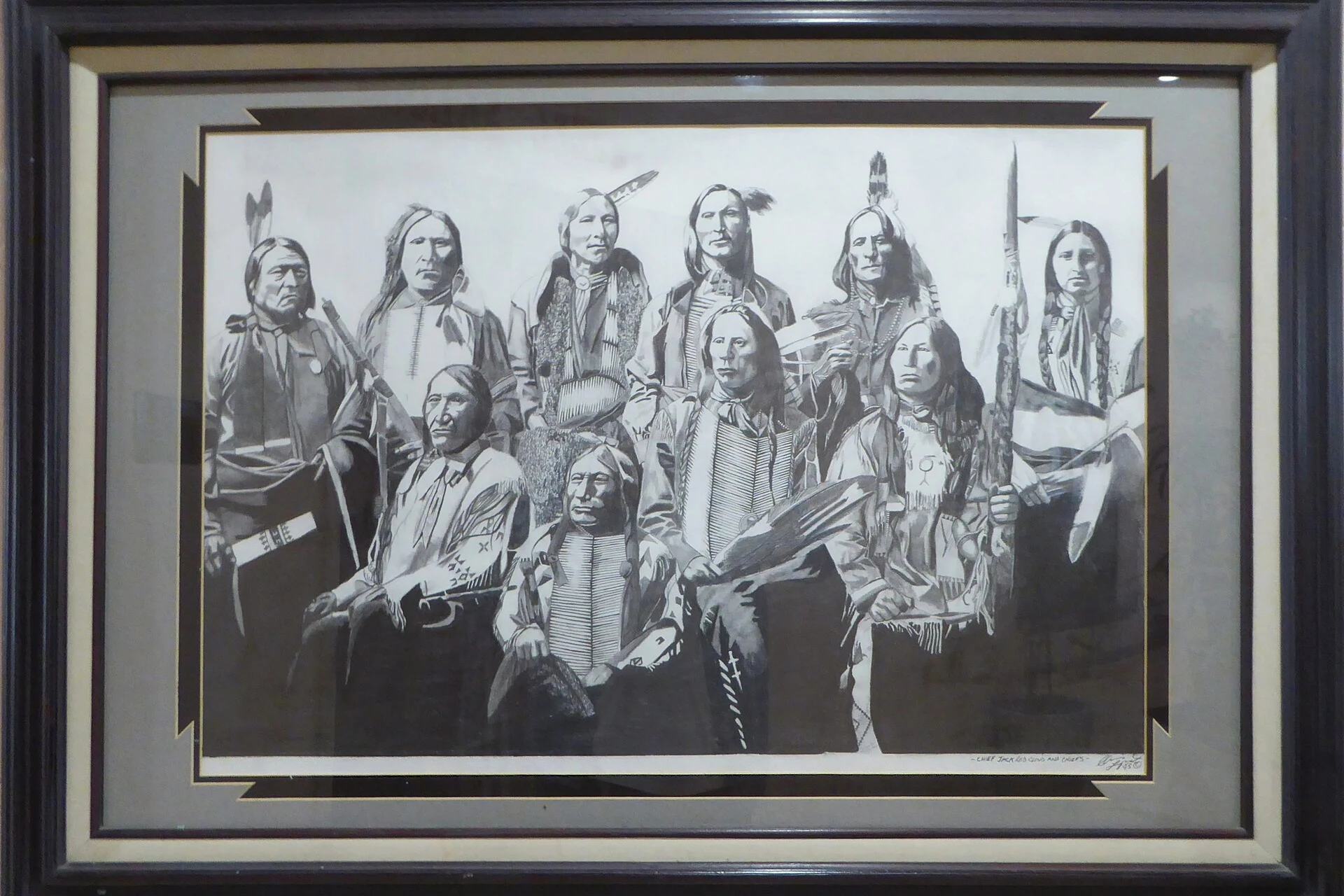

A frame can have the right stated size and still hide a handwritten date, require trimming, or come with a mounting method you do not want touching an important photograph. Before choosing the finish, ask the seller to explain what sits between the front glazing and the back of the frame.
For a unique family print, the useful question is not simply “Will it fit?” It is “What will touch this photograph, what will hold it in place, and can the proposed arrangement accommodate it without alteration?” Those answers may lead you to an experienced framer rather than a ready-made frame.
Measure the sheet and the image separately
Record the photograph’s full outside dimensions, including any white border. Then note the image area and any details near the edge: faces, signatures, dates or studio marks. These are different measurements with different jobs.
Ask what the advertised frame size describes. Is it the intended print size, the visible opening, or the outside dimensions? If a mat is included, request the mat opening dimensions too. Do not assume a product photograph shows the exact amount of overlap your print will receive.
Make a paper stand-in rather than repeatedly fitting the original. On ordinary paper, mark the full sheet outline and the details that must remain visible. Use that stand-in to discuss cropping and placement. Keep it separate from the photograph; it is a planning tool, not a mounting material.
Do not trim an important original to solve a frame-size mismatch. Change the proposed frame or mat arrangement instead.
Read the proposed frame from front to back
This annotated cross-section is a conversation aid, not an assembly recipe. A particular photograph may require a different arrangement, which is why the components and mounting method need verification.
| Layer, front to back | What to identify | Question to ask |
|---|---|---|
| Glazing | The transparent front panel | How will the photograph be kept separate from this surface? |
| Mat or spacing arrangement | The visible opening and proposed separation | What is the opening size, and what material is being used? |
| Photograph | The complete print, including borders | Will every part that matters remain visible without trimming? |
| Support and mounting | What holds the print and touches its reverse | Can you explain the method without applying adhesive directly to the print? |
| Backing and closure | The rear components and fit | What are these materials, and does the frame accommodate the proposed layers? |
Ask the framer to explain the glazing separation rather than improvising a spacer or choosing a gap yourself. The goal here is an understood design, not a universal distance that supposedly suits every photographic process.
Ask for material details, not just reassuring labels
“Photo-safe” has a specific materials context. Suitable photographic storage materials must meet the physical and chemical requirements of ISO 18902, including passing the Photographic Activity Test, or PAT. Ask which supplied materials have that documentation rather than treating a broad marketing description as an answer about every component.
Photographic prints can be matted with acid-free rag or museum board. That does not mean every board described as acid-free has answered every suitability question. Request the actual material specification and discuss the photograph with an experienced framer who follows preservation guidelines.
Photographic materials and processes vary. Even buffered versus unbuffered paper is not a universal choice: buffered enclosures are not recommended for dye transfer prints, cyanotypes or some architectural reproductions. If you cannot identify an unusual print, say so before someone selects its housing materials.
Do not attach the photograph with household tape, sticky notes or glue. Ask how it will be held, and avoid a plan that depends on you adding an adhesive to the original at home.
Work through one print before ordering
Imagine an irreplaceable portrait with a white border and a handwritten date along the bottom. You like a frame shown online, but its listing gives only one size. Your decision is not ready until you know what that measurement means.
Send the seller or framer this short brief, replacing each placeholder with your measurements:
- Full sheet: width and height, including the border.
- Must remain visible: the whole face, border inscription and date.
- Must remain unchanged: no trimming or direct adhesive.
- Please confirm: visible opening, mat and support specifications, mounting method and separation from glazing.
- Unknown: photographic process, if you cannot identify it.
If the reply only repeats the outside size, the original question remains unanswered. Choose a supplier who can clarify the construction, or take the print information to a suitable framer. A different frame is a simpler compromise than altering a unique photograph.
Keep display and handling in the decision
A suitable frame does not remove the need to limit light exposure. Consider the proposed display location before approving the job, and do not treat glazing as permission for unlimited display in a bright spot.
When handling the print, use clean hands, avoid touching the image area, and hold it by its edges or housing when possible. Work on a clean, dry surface without food or drink. If the photograph is stuck to existing glazing, torn or otherwise unstable, pause rather than trying to make it fit a new frame.
If your main goal is easy everyday viewing, a digital display is another option to consider. For a shared household device, check who can add or remove photos before choosing it.
Keep the approved dimensions and material details with your order record. The final decision should describe the inside of the frame as clearly as its color and outside size.
Sources and editorial notes
Lumens or Watts: Which Number Helps You Replace a Bulb?
Lumens describe light output; watts describe energy use. Read a worked packaging example, use a brightness reference table and keep fixture compatibility as…

Choose Folders for Important Paper Without Relying on the Word ‘Archival’
Choose folders by their stated materials, support and usable size. This guide explains what to verify beyond an archival label, with a worked…
Will a Replacement Lampshade Fit Your Existing Lamp?
A shade’s width and shape are only part of the fit question. Record the existing attachment, dimensions and manufacturer requirements, then compare a…