How to Choose Light Color for a Room With Several Lamps
Start with the lamps you use together, then record their appearance and brightness separately. A simple bulb record and two illustrative room schemes help you choose what to keep, compare or change.
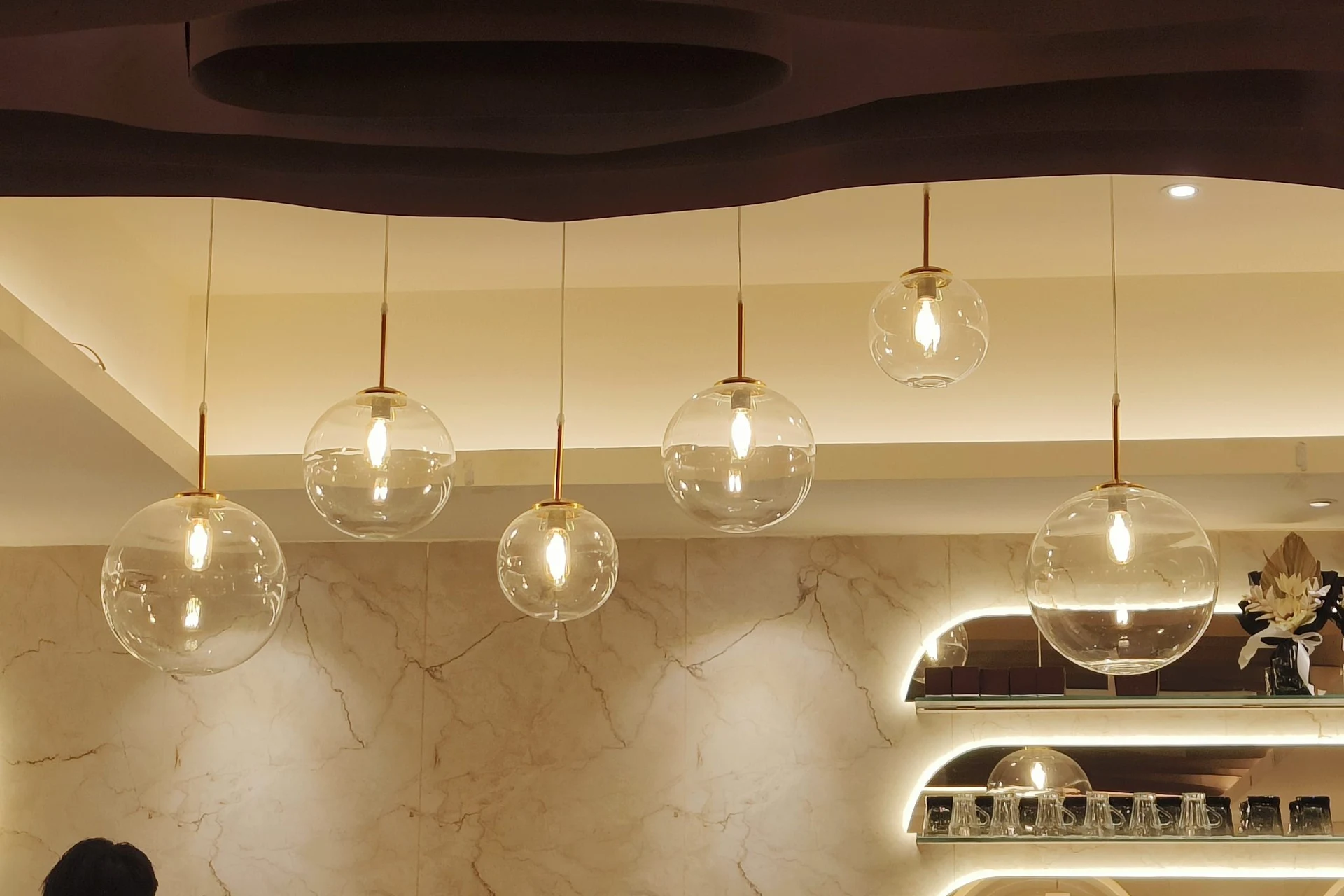
Switch on the two lamps beside your sofa. If one looks cream-colored and the other looks noticeably whiter, write that down before buying replacements. Then ask a separate question: is either lamp too bright or too dim for what you do there?
Those observations belong in different columns. Brightness describes light output and is measured in lumens. For coordinating light color, start with the appearance you want across the lamps you actually use together. The aim is a deliberate arrangement that suits your room and preferences.
Build a bulb record around everyday use
Give each lamp a name based on its position: sofa left, sofa right, reading chair, desk. Record any light-color wording and correlated color temperature (CCT), expressed in kelvin (K), printed on packaging you already have, plus the listed lumens. CCT describes light color: lower values look warmer and higher values look cooler. Leave missing information blank rather than guessing from how the lamp looks.
Add when each lamp is normally on. Two lamps that share an evening routine deserve a direct comparison. A desk lamp used alone during work may need a different decision from the lamps surrounding the sofa.
| Lamp | Used with | Appearance observed | Brightness record | Next action |
|---|---|---|---|---|
| Sofa left | Sofa right | Preferred warm appearance | Copy listed lumens | Keep as comparison |
| Sofa right | Sofa left | Looks whiter beside left lamp | Copy listed lumens | Compare a replacement |
| Reading chair | Both sofa lamps | Acceptable alone | Packaging unavailable | Check in the full group |
| Desk | Usually used alone | Preferred for this corner | Copy listed lumens | Keep for now |
This is a sample record, not a recommended specification. For other rooms, repeat the same headings on a separate page. That keeps a bedroom preference from becoming an accidental rule for the kitchen or workspace.
Separate a color problem from a brightness problem
Write your complaint in ordinary language before choosing a solution. “The right lamp looks too white beside the left one” describes an appearance mismatch. “I cannot get enough light on my book” describes a brightness concern. “That corner dominates the room” needs further observation before either conclusion.
Use lumens when comparing listed light output. Watts are not the brightness measurement. A package’s familiar replacement-wattage wording can help identify what it is intended to replace, but record the lumen figure in your brightness column.
Keep your color preference in another field. Copy the packaging description and any CCT value exactly, then add your own observation of the lamp in the room. When choosing replacements to coordinate with a preferred bulb, compare similar CCT values, then assess the complete lamps together. This preserves both the product information and your judgment without treating either as a promise of a perfect visual match.
If both appearance and brightness bother you, set priorities. Decide which lamp provides the appearance you prefer, then assess the useful amount of light separately. Changing several things at once makes your comparison harder to interpret.
Scheme one: coordinate the whole seating area
Imagine a living room with two table lamps and a floor lamp, all used after dinner. The household wants them to read as one group. In this illustrative scheme, the left table lamp becomes the visual reference because everyone prefers its appearance.
- Record the reference lamp’s available packaging details.
- Compare the other table lamp beside it during normal evening use.
- Compare the floor lamp with both table lamps on.
- Choose any replacements around the preferred appearance while checking brightness separately.
- Record the final choice against each lamp’s location.
The shades and positions remain part of what you are judging. Assess the complete lamps as you use them. A matching package description records the product information, while your room comparison records whether you like the result.
If you are also changing seating, settle the main furniture positions first. Otherwise, assess the lamps from the seats and activity areas you expect to keep using.
Scheme two: give a separate corner its own choice
Consider a room with a sofa area and a work desk. In this second illustrative scheme, the sofa lamps share one preferred appearance, while the desk lamp keeps a different appearance that its user likes.
The deciding step is to view both areas together. Sit on the sofa with the desk lamp on. Then sit at the desk with the sofa lamps on. A choice that feels distinct and intentional from one seat may feel distracting from another.
If the difference bothers you during frequent shared use, bring the desk lamp into the same comparison group. If the desk is normally used separately, there may be no reason to replace a lamp arrangement you already enjoy. This is a preference test, not a rule that every room needs uniform lighting.
Make one change, then update the record
Start with the mismatch you notice most often. Compare the result in the same evening arrangement before deciding on the next purchase. Avoid judging the whole room from a photograph alone; make the decision from your normal seats and activities.
Finish the record with the date, lamp location and exact replacement details you chose. Keep any remaining uncertainty visible: missing packaging, an unresolved brightness question or a lamp that still needs comparison. Your next replacement can then follow a remembered decision instead of restarting the search.
Sources and editorial notes
How to Divide a Room With Furniture Without Blocking Everyday Routes
A sofa can define a seating area while a low sideboard gives dining its own edge. Trace three everyday journeys first, then test…

Open Shelves or Closed Storage? Sort by Access and Visual Clutter
Sort belongings by how often you retrieve them and how you feel about seeing them. A four-part matrix helps assign books, cables, serving…
Choose a Bedside Table by Usable Surface, Not Just Width
A lamp can claim much of a bedside table before your book, glasses and water arrive. Use paper footprints to test the remaining…