Build an Entryway Drop Zone Around What You Actually Carry
Empty your usual bag before choosing entryway storage. A simple carry-in audit shows what needs a permanent landing place, what belongs elsewhere and what should be ready for the next trip out.
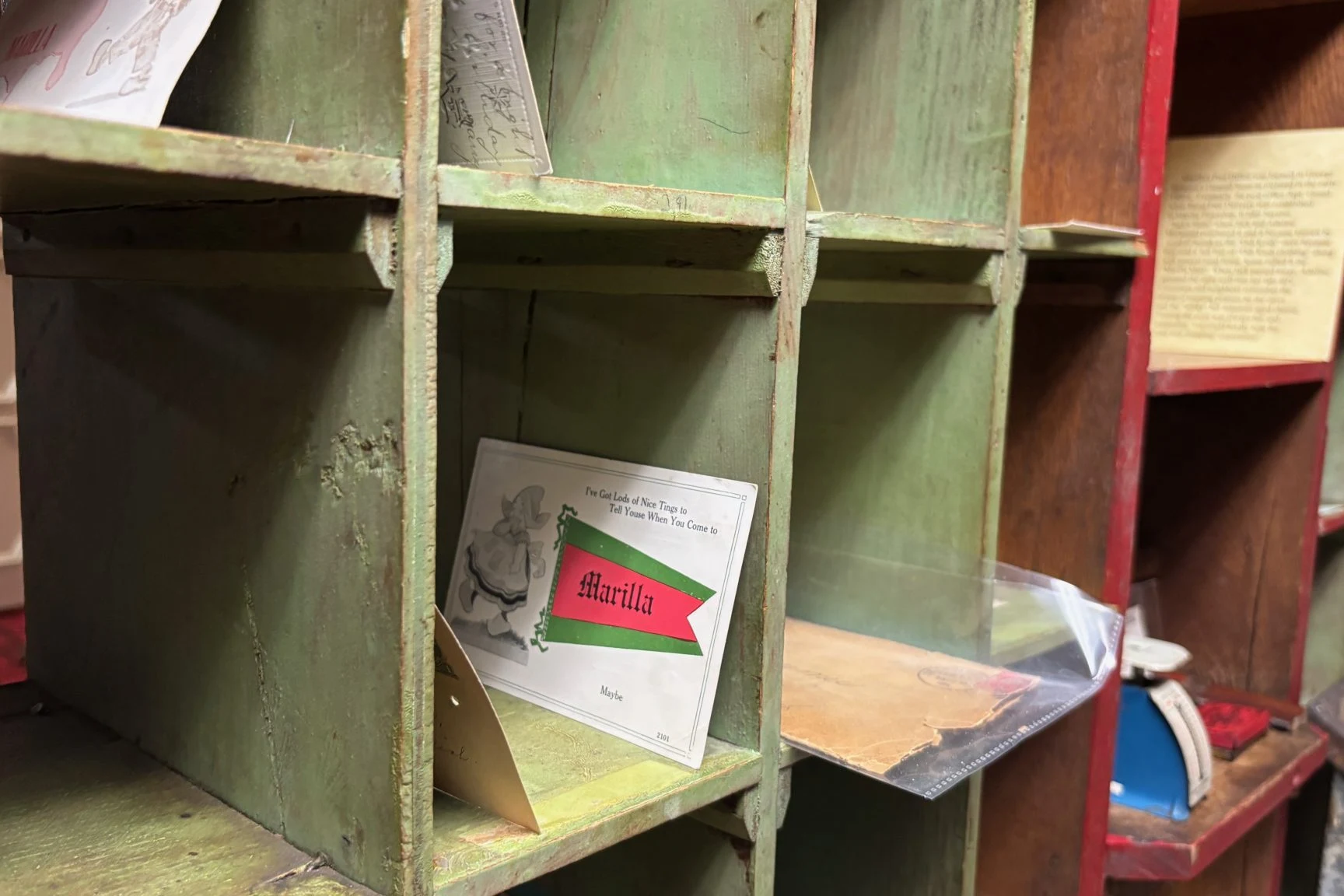
Put yesterday’s bag, keys and incoming papers on a table. Add whatever arrived in your hands: a lunch container, a parcel or a folded shopping bag. That collection is the starting point for your entryway.
Give each item one of three destinations: keep here, put away elsewhere or take back out. A useful drop zone makes those decisions visible. The arrangement below is an illustrative household exercise, with choices you can change to suit your own arrivals. It needs only enough space for the things you regularly carry.
Audit one ordinary arrival before choosing storage
Use a recent, typical day rather than your tidiest one. List what crossed the threshold, where you put it and where it belonged. Include the bag itself. A tray for keys solves only a small part of the problem if a full shoulder bag still lands on a dining chair.
Repeat for a different kind of day if your routine varies. A commute, a grocery trip and a day out with family may produce different arrivals. Keep occasional bulky items separate from the daily list so they do not dictate the whole arrangement.
For each object, ask whether you need it again before leaving home. Keys may stay near the door; a lunch container may need to go directly to the kitchen. Papers need a decision about their destination. Their arrival together does not mean they should remain together.
Give the three destinations distinct places
Choose a modest area for each stage. They can sit on one surface, or use different locations if the entryway is narrow.
- Keep here: a defined place for keys and the everyday bag, provided that this suits your household.
- Put away: a small temporary place for items heading to another room.
- Take back out: a separate place for a return parcel, a borrowed item or tomorrow’s packed bag.
Make the temporary place visibly different from permanent storage. In this example, a shallow basket is the put-away area, while a tray holds keys. That distinction is a personal cue, not a rule about which container works best.
Position everything so the door and nearby furniture open normally. Test the arrangement with coats and bags present. If a bag on the floor occupies the walking route, choose another location rather than making the route depend on stepping around it.
Use a carry-in card to assign each item
Here is a sample card for someone who commutes with a shoulder bag. Replace the objects and locations with your own. The action column is what keeps a landing place from becoming a final destination by accident.
| Item arriving | Landing stage | Next action |
|---|---|---|
| Keys | Keep here: tray | Return to the same place after use. |
| Shoulder bag | Keep here: designated shelf | Remove items going elsewhere. |
| Lunch container | Put away: carry to kitchen | Take it through on arrival. |
| Incoming papers | Put away: temporary basket | Sort into the household’s chosen destinations. |
| Borrowed book | Take back out: departure spot | Add it to the next relevant trip. |
Keep the card near the landing area while trying the arrangement. If an item repeatedly misses its place, record where it actually lands. That may reveal a location that is awkward to reach with a full bag.
Give papers a decision point, not an expanding pile
Use the temporary basket for papers awaiting a specific next step. At your chosen review time, move each piece to its destination: the relevant household file, an action place elsewhere or your usual disposal route when appropriate.
A return document belongs with the item going back out. For a paper that needs action, choose one visible place elsewhere for pending tasks and add a reminder to review it by the relevant date. A paper needed for a later appointment may belong with the bag you will take. Choose locations by the next use, rather than leaving every sheet in the entry because it arrived through the door.
Keep private papers wherever suits your household; an exposed entryway basket need not hold them.
Reset the landing area before the next departure
Attach the reset to an event you already recognise, such as unpacking your work bag or preparing to leave the next morning. Empty the put-away area, check the outgoing spot and return everyday items to their chosen places.
After several ordinary arrivals, review what still spreads. An overflowing outgoing area may mean items are waiting for different trips. Separate them by destination, or keep occasional returns elsewhere with a reminder in your departure routine.
Shared households may prefer individual bag spaces and one common outgoing spot. A very small entry may support only keys and a bag, with paper sorting farther inside. Keep the arrangement that lets you arrive, put things down and leave again without shifting yesterday’s pile.
How to Read a Fragile Book Without Forcing It Flat
A resistant binding is a reason to change your reading setup, not press harder. Use a conservative support plan, recognize stop signs and…
Label Family Photographs Without Writing Across the Image
Put a stable identifier on the enclosure and keep names, dates and uncertainties in a separate register. This simple method preserves the connection…
Create a Furniture Record That Makes Future Maintenance Easier
Save the details a receipt cannot tell you: the exact furniture identifier, finish, assembly document and spare-part references. This one-page record keeps future…