Create a Furniture Record That Makes Future Maintenance Easier
Save the details a receipt cannot tell you: the exact furniture identifier, finish, assembly document and spare-part references. This one-page record keeps future maintenance questions tied to the piece you actually own.
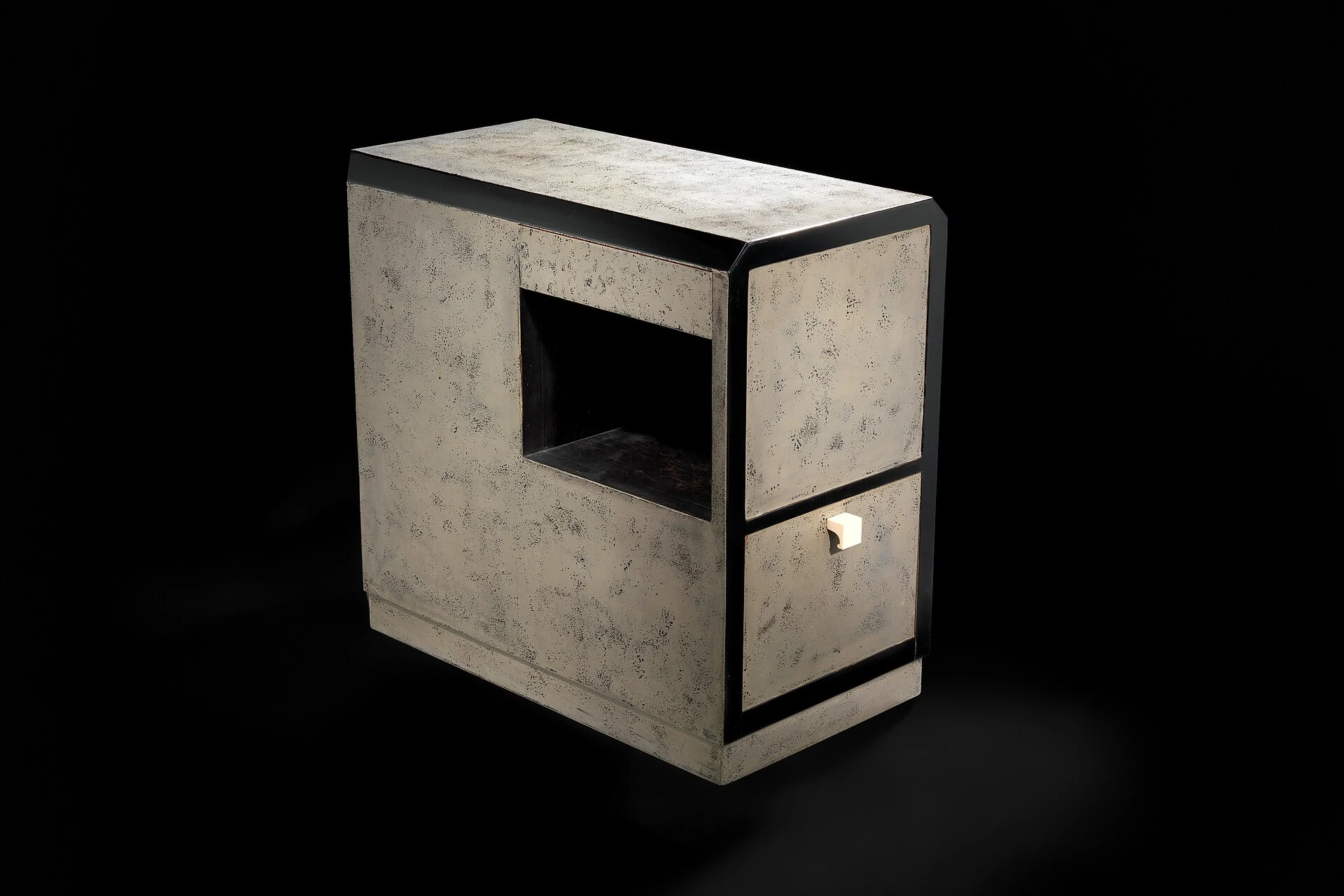

A useful furniture record should answer a specific question: which instructions and parts belong to this exact piece? Start with a photograph of its label, then connect that photograph to the manual, finish information and any part references. Keep the receipt, but do not expect it to do all of those jobs.
The record can be one sheet of paper or one digital note. Its purpose is to preserve information that becomes awkward to retrieve after packaging disappears, furniture moves rooms or a product listing changes.
Identify the piece, not just its product name
Give the record a household name first: “hallway oak-effect cabinet” is easier to recognize than an unexplained string of numbers. Underneath, copy the manufacturer, product name and full identifier exactly as shown on the label or paperwork. Preserve punctuation, leading zeros and variant details.
Photograph the whole piece and its identifying label. Make sure the label text is readable in the saved image; a distant photograph of the underside is not much help. Only photograph labels you can access without unsafe lifting or dismantling.
Record the size, finish and configuration you bought. Two items with the same family name may still have different dimensions, doors or materials. If the order confirmation and physical label show different information, keep both and mark the discrepancy rather than silently choosing one.
Add the purchase date and seller for context. These details belong in the record, but they should not crowd out the identifiers needed to find product-specific guidance.
Save instructions with their identity intact
Keep a local copy of the assembly instructions when one is available, along with the page address where you found it. A bookmark and a downloaded document serve different purposes: one helps you revisit the current page; the other preserves the document you used.
Name the file so it remains understandable outside its folder. A pattern such as hallway-cabinet_product-ID_assembly_document-date.pdf is more useful than “download-final.pdf.” If no date or revision appears on the document, write “revision not shown” in your record. Do not substitute the download date for a manufacturer’s revision date.
For IKEA furniture, the product-support hub includes assembly guides and links to other support areas. That makes it a useful starting point, but the record still needs to identify which guide belongs to your item.
Save separate instructions for separately purchased components. A cabinet frame, an added drawer and replacement doors should not be treated as though they necessarily share one document.
Separate finish guidance from maintenance history
Create two small fields: manufacturer instructions and what has been done. The first holds product-specific care information. The second is your dated history of cleaning, adjustments or changes.
Copy care wording accurately or save the relevant document. Do not turn instructions for one maker’s finish into a rule for every wooden, painted or upholstered item in the house. If the finish is unknown, say so. Appearance alone is not a sufficient basis for filling in a material specification.
In the history field, record actions plainly: “door handle replaced; part reference saved below” is more useful than “serviced.” If someone else completes work, retain any itemized note they provide. This section records events; it does not need to become a repair guide.
Use this one-page furniture record
Copy the following template into a note or print it. The prompts are intentionally short enough to keep the identifying information together.
| Field | What to enter |
|---|---|
| Household name | Room, position and a recognizable description |
| Exact identity | Maker, product name, full identifier, size and variant |
| Evidence | Links or filenames for the whole-piece and label photographs |
| Purchase | Seller, date and receipt location |
| Assembly document | Filename, page address and printed revision or “not shown” |
| Finish guidance | Stated material or finish and location of exact care instructions |
| Parts | Document part reference, description and confirmation status |
| History | Date, action and any supporting document |
For an illustrative entry, the parts field might read: “Door hinge; reference copied from saved assembly guide; suitability not yet confirmed.” That last phrase matters. A number found in a diagram is a useful lead, not proof that a replacement is available or appropriate.
IKEA’s US spare-parts page directs customers to stores for assistance and says its online small-parts ordering system is currently unavailable. Treat ordering arrangements as something to check when needed, rather than a permanent instruction printed into your record.
Keep the record usable when the furniture moves
Store the master record somewhere you would naturally look for household documents. Link to the receipt rather than creating several competing copies; a household receipt folder that is easy to hand over can hold the transaction details separately.
Update the record when a component changes, not every time you tidy the room. Keep the old reference with a brief “replaced” note so that previous paperwork does not become misleading.
If you own a pair, give each piece its own identifying photograph and note any differences. The same attention to variants matters when buying a furniture pair. Before passing a piece on, remove personal purchase information from the copy you share and include the instructions that actually match it.
Sources and editorial notes
How to Read a Fragile Book Without Forcing It Flat
A resistant binding is a reason to change your reading setup, not press harder. Use a conservative support plan, recognize stop signs and…
Label Family Photographs Without Writing Across the Image
Put a stable identifier on the enclosure and keep names, dates and uncertainties in a separate register. This simple method preserves the connection…
Build an Entryway Drop Zone Around What You Actually Carry
Empty your usual bag before choosing entryway storage. A simple carry-in audit shows what needs a permanent landing place, what belongs elsewhere and…