Washing a Down Jacket: Plan the Drying Stage Before You Start
Before washing a down jacket, confirm its permitted drying method, arrange equipment and leave time for checks. Use a preparation timeline and observation log without relying on a promised drying time.
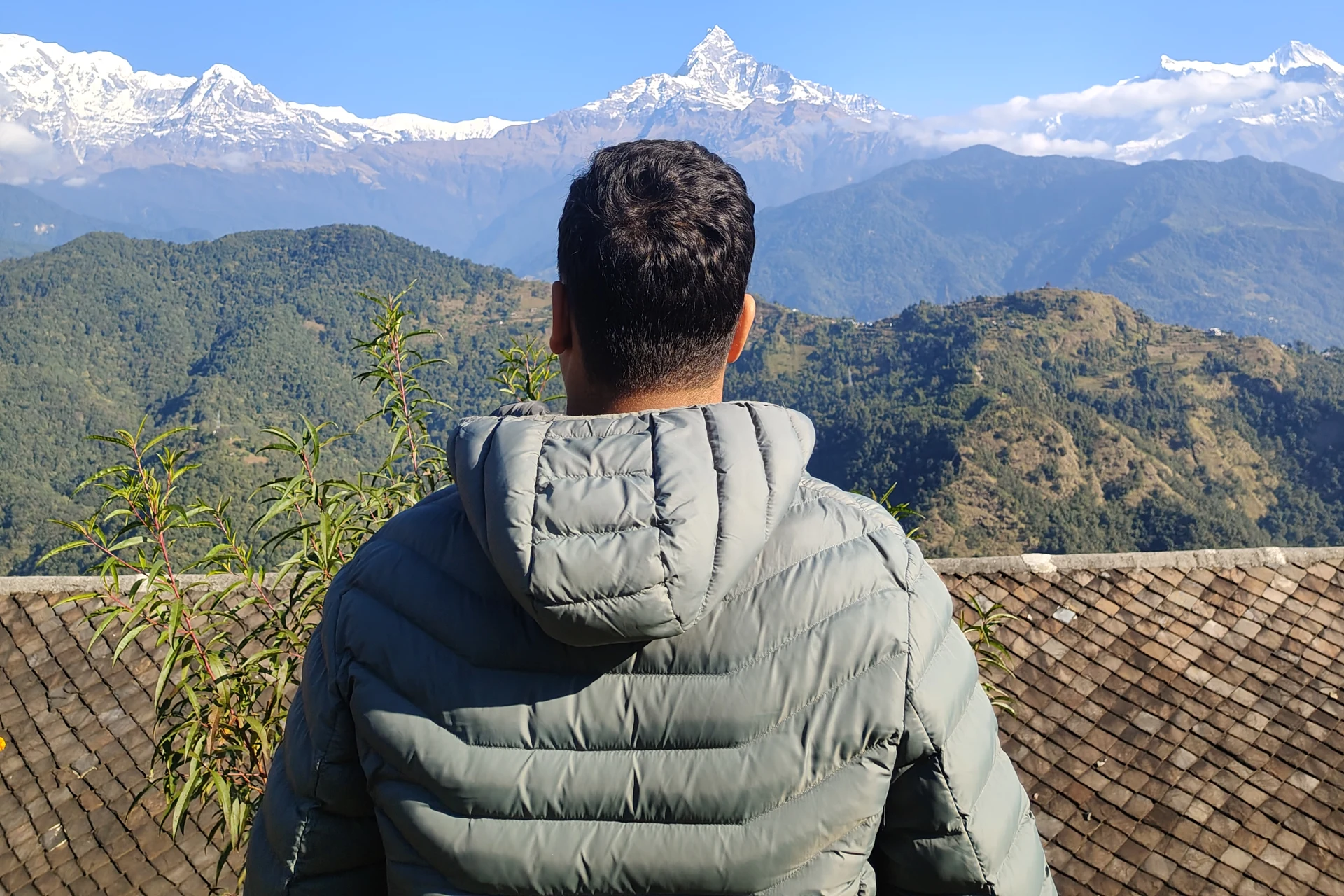
Before a down jacket goes into the wash, complete this sentence: “After washing, I will dry it using ___, as its manufacturer instructs, and I can check it again at ___.” If either blank is unresolved, keep the jacket out of the machine for now.
This is a scheduling decision you can make before any care begins. Arrange the permitted drying method, access to equipment and time to observe the garment. A wash-day plan should cover the wet jacket you will have afterward, including what you will do if it is still damp when you expected to finish.
Confirm instructions for the whole jacket
Read the actual garment’s care label and manufacturer guidance. Look for directions that cover its down filling as well as its outer fabric. Write down the permitted washing method, detergent, drying method, heat restrictions and any handling instructions during drying.
If you cannot find a complete sequence, ask the jacket maker before starting. A fabric-brand care page does not settle every question about a finished insulated garment. Nor does a familiar routine for another down jacket establish the right process for this one.
GORE-TEX’s outerwear guidance makes the manufacturer’s instructions a priority. It also contains specific exceptions: persistent-beading-surface garments such as GORE-TEX SHAKEDRY must not be tumble dried or ironed. The useful lesson for planning is to check applicability before borrowing a drying method.
Do not assume that a down-filled jacket needs the same detergent, temperature or finishing process as an uninsulated shell. Leave those decisions tied to its own instructions. If they conflict with general guidance you have read, get garment-specific clarification.
Make a drying-first preparation timeline
Use the timeline below as an organisational example. The stages are flexible; they deliberately avoid promising a number of hours. Fill in actual settings only after checking the jacket’s instructions.
| Stage | Preparation or check | Decision to record |
|---|---|---|
| Before choosing wash day | Read the complete care sequence and resolve missing instructions. | Which drying method is permitted? |
| Before starting | Arrange equipment, supplies and access for the drying stage. | Can the whole process begin today? |
| After washing | Move into the manufacturer’s instructed drying sequence. | What is the next permitted check or action? |
| During drying | Record observations at checks compatible with the instructions. | What remains damp, uneven or unclear? |
| Before putting away | Assess the garment against the manufacturer’s completion guidance. | Is drying complete, or does it need further permitted care? |
Check practical access as carefully as settings. A permitted dryer is of little use if someone else needs it halfway through your planned session. If using shared facilities, arrange enough flexibility to continue the instructed process rather than treating the end of a booking as proof that drying is complete.
Use an observation log without inventing a diagnosis
A useful log records what you notice and what you actually do. It should not convert a lump, a cool area or an uneven appearance into a technical conclusion. If you are unsure how to assess completion, ask the manufacturer what to check.
Copy this short template into a note:
- Check time: when the observation was made.
- Drying stage: the instructed method currently in use.
- Observation: where dampness, clumping or unevenness appears to remain.
- Action: the next step permitted by the garment instructions.
- Unresolved question: anything requiring manufacturer advice.
An illustrative entry might read: “Second check: filling appears uneven in the lower panels; I am unsure whether those areas remain damp. Continue only as directed by the drying instructions and seek clarification if the completion check remains unclear.” No specific interval or handling technique is implied.
Record clumping as an observation rather than an invitation to improvise. Do not add shaking, pulling, extra heat or dryer accessories unless the garment guidance permits them. The log helps you follow a process; it does not supply missing care instructions.
Separate drying from any shell-finishing step
Some outerwear instructions include a water-repellency finishing stage. For applicable standard GORE-TEX garments, the guidance specifies an additional 20 minutes of tumble drying once dry to reactivate durable water repellent treatment. That is separate from drying the garment in the first place.
It is not a total drying time for a down jacket. It also does not establish that your insulated garment permits that finishing method. Check the finished jacket’s instructions before adding any heat step or treatment.
Keep this distinction in the written plan: “drying complete according to garment guidance” comes before any separately permitted finishing step. If no finishing step is required, leave it out. A more elaborate routine is not automatically a better match for the jacket.
Choose a day that can absorb uncertainty
If you need the jacket for a departure shortly after washing, consider choosing another day. That is a practical scheduling choice: it leaves room to follow the instructions without turning a deadline into a reason to raise the temperature or put the garment away early.
Prepare a fallback for delayed completion before starting. It might mean preserving access to the permitted equipment or moving the wash to a less crowded day. It should not depend on an unapproved drying shortcut.
If you are coordinating footwear care too, keep a separate plan using the shoe-care routine for leather, suede and mesh. Do not let several care jobs compete for the time you reserved to check the jacket.
Your final preparation note should name the permitted method, available equipment, next check and unresolved questions. Start when those details are settled. The aim is a complete care session with room for observation, without guessing how quickly this particular jacket will dry.
Sources and editorial notes
Clean Your Phone and Case as Two Different Materials
A phone and its removable case can need different care. Build a two-column care card, identify the case material and keep Apple’s material-specific…
Putting a Spare Device Away for Months: Battery Storage Basics
A spare device needs more than an empty drawer. Build a storage record that captures its exact model, manufacturer instructions, charge preparation, location…

How to Clean a Laptop Screen Without Treating Every Display the Same
Before wiping a laptop screen, identify its finish and check the instructions for that exact model. Use this decision tree to separate preparation,…