Turn a Garment Care Label Into a Practical Wash Plan
Turn a garment’s instructions into a usable sequence with a simple worksheet. Separate washing, drying and finishing, record restrictions, and resolve missing information before the garment goes into the machine.
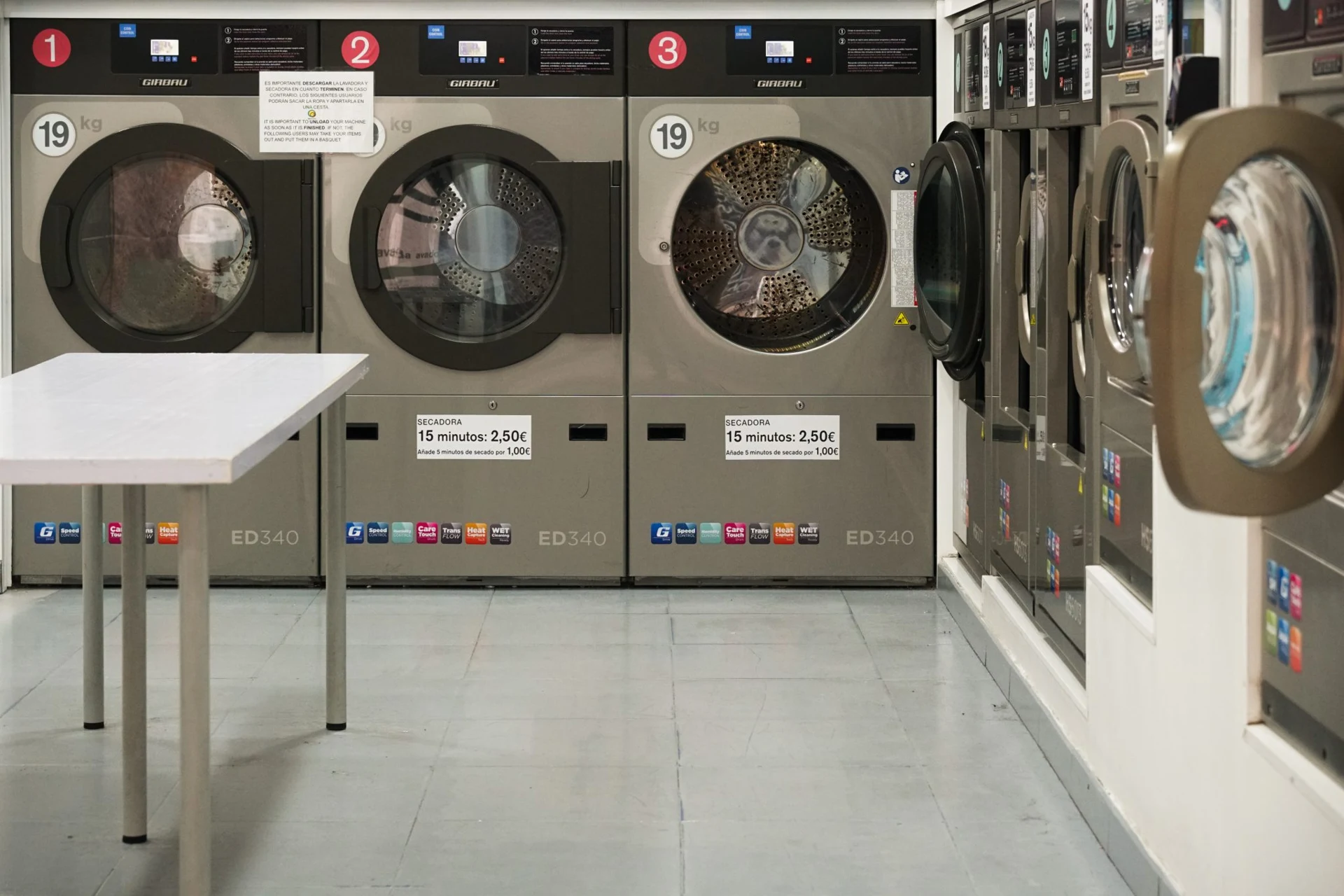
Write three lines before starting the machine: wash, dry, finish. Beside each, copy what your garment’s care instructions allow. Then add a fourth line for restrictions. This short note turns a label you might glance at into a sequence you can actually follow.
The important decision may come after washing. A garment could require a drying method you cannot arrange today, or a finishing step that needs separate equipment. Reading the whole label first gives you a chance to postpone the wash before you have a wet garment to manage.
1. Build the plan around the actual garment
Start with the sewn-in care label and any manufacturer instructions for that particular item. Record the model name if you know it, especially when looking up additional guidance. Instructions for a broadly similar jacket are useful background, but they do not establish what your own garment permits.
GORE-TEX’s outerwear guidance explicitly tells owners to follow the garment manufacturer’s instructions. Its own care page also includes exceptions: garments with persistent beading surfaces, such as GORE-TEX SHAKEDRY, must not be tumble dried, ironed or treated with DWR. That exception makes identifying the garment more useful than memorising a general jacket routine.
If a symbol or instruction is unclear, leave that part of the plan marked unresolved. Ask the manufacturer to clarify it before starting. A guessed setting is not a completed plan, even when the rest of the instructions seem familiar.
2. Copy instructions into a four-part worksheet
Use the following worksheet in a phone note or on paper. Copy the wording first; translate it into machine settings only after you have checked the available controls. Keep prohibitions visible beside the steps they affect.
| Decision | What to record | Action before starting |
|---|---|---|
| Wash | Permitted method, temperature, cycle, detergent and rinsing | Match each instruction to an available setting or product. |
| Dry | Permitted drying method and heat restrictions | Arrange the equipment or drying space. |
| Finish | Any permitted ironing, treatment or activation step | Check whether the step is needed and allowed. |
| Restrictions | Products, processes or settings explicitly prohibited | Remove incompatible options from the plan. |
Add a readiness box beneath the worksheet: instructions understood, supplies available, drying arranged. This is an organisational choice, not an extra care requirement. Its purpose is to expose the missing piece while you can still leave the garment dry.
3. Work through one conditional jacket example
Consider an illustrative GORE-TEX outerwear plan. Assume the garment manufacturer permits the standard process below and the jacket is not a persistent-beading-surface garment. These conditions belong at the top of the note; without them, the example is not a suitable recipe.
- Prepare: close the front, pocket and pit zips, then fasten loose flaps and straps.
- Wash: use the permitted machine setting. GORE-TEX’s standard guidance specifies 40°C, a small amount of liquid detergent, two rinses and minimal spinning.
- Exclude: its guidance rules out powder detergent, fabric softener, stain remover and bleach, and says not to combine the garment with heavily soiled clothing.
- Dry: where the garment instructions permit, line dry or use a warm, gentle tumble cycle. Do not select high heat.
- Finish: for applicable garments, GORE-TEX specifies a further 20 minutes of tumble drying once dry to reactivate the durable water repellent treatment.
Notice that the last 20 minutes are a finishing step after drying, not a promise that the garment will dry in 20 minutes. Writing the stages separately prevents that instruction from becoming an accidental total drying time.
4. Resolve mismatches before loading the machine
Now compare the written plan with what you have. Can the machine provide the required temperature and rinses? Is the detergent suitable? Is the permitted drying method available? If the answer is unclear, resolve that specific question rather than substituting your usual laundry routine.
Do the same for the load. GORE-TEX says its garments can be washed with similar garments that are not heavily soiled. That does not establish a shared wash programme for every item in the basket. Check each garment before deciding they belong together.
Keep footwear instructions separate. The site’s care routine for leather, suede and mesh shoes is a useful companion for organising another care job, but shoe treatments do not fill gaps in a clothing label.
5. Leave a reusable note with clear limits
Save the finished worksheet under the garment’s name, with a photograph of its label if helpful. Record the settings you selected and any question the manufacturer answered. Next time, you can check the note against the garment rather than reconstructing every decision from memory.
Keep observations separate from instructions. “Needed more drying time” is an observation; “use higher heat next time” is a new care decision that needs permission from the instructions. Likewise, a successful wash does not make its settings suitable for another coat.
Before pressing start, read the note from the bottom upward: restrictions, finishing, drying, washing. This final pass checks whether you can complete the whole sequence. If the drying line still says “find somewhere later,” the useful next action is to arrange that stage and leave the wash for another time.
Sources and editorial notes

Set Up a Clean Work Surface Before Sorting Old Papers and Photos
Arrange incoming, reviewed and unresolved zones before opening a family archive box. This practical table layout helps you preserve existing groupings, move supported…
Make a Home Color Reference Before Shopping for Soft Furnishings
Build a portable reference from fabric samples, material notes and room photographs. Use it to compare cushions, throws and curtains with what you…
Should You Remove Old Photos From a Sticky Album?
An aging album does not make every print a candidate for immediate removal. Use a condition-based decision tree, record page context and recognize…