Will This Board Game Fit the Time You Have at a Holiday Gathering?
Budget for setup, teaching, and play using the minutes everyone can sit down together. A side-by-side worksheet shows when one scored round of a longer game can fit even if a full game of the shorter option won’t.

Choose a game that gives your group time to finish a full game or a scored round before anyone has to leave the table. Count backward from that deadline, set aside time to pack up, and see what remains for setup, teaching, and play. Do the math before you buy a game for the occasion or clear space in your bag for one you already own.
Find the minutes everyone shares
Write down who wants to play, when the last of those people can sit down, and when the first has to get up. Someone arriving at two may need a few minutes before joining. Someone staying all afternoon may still need to leave the table when dinner is served. End the shared window at the first time a player has to leave or the table is needed for something else. Reserve a few minutes before that deadline to put the game away.
Check the exact edition’s player count for the people who can make that window. If a guest might arrive halfway through, look for a rule that lets them join at a round break. If the rules give no such option, plan around the smaller group or choose a later start. For a purchase, use the rulebook for the edition or regional release you’d actually buy, especially if you need a particular language or player count.
Read the rules through the first scoring point
Look up the actual setup steps. On your worksheet, list any dealing, sorting, or layout the rules require, then estimate how long setup will take. Count only the setup that has to happen after everyone sits down. The host can do some of it earlier if the table is free and the game can stay out. Give teaching a separate line based on who already knows the game and what a newcomer needs to take a first turn.
Then find the first point where everyone has had a fair chance to play and the rules give the group a result it can use. That might be a scored round, an official short scenario, or the end of the full game. A break between turns matters chiefly if everyone wants to resume later and has a way to keep track of the game state. Check what the publisher’s listed duration covers before using it to estimate any part of your plan.
Compare games with and without a late start
To find the latest start for each game, subtract setup, teaching, and play through the agreed stopping point from the time you need to start packing up. Then estimate when each game would finish if everyone sat down a little later.
Hypothetical worksheet. Four players expect to share the table from 2:10 to 2:50 p.m. They reserve five minutes for pack-up, so play needs to end by 2:45. Both fictional editions support four players. In both cases, setup starts when everyone sits down. The setup, teaching, and play times are planning estimates.
| Timing check | Game A | Game B |
|---|---|---|
| Listed full-game time | 20–25 minutes | 45–60 minutes |
| Shared window if everyone is ready | 2:10–2:50 p.m. | 2:10–2:50 p.m. |
| Setup and teaching | 7 minutes to set up, 8 to teach | 3 minutes to set up, 5 to teach |
| First rule-supported stopping point | Full-game result after an estimated 20 minutes of play | One scored round after an estimated 15 minutes of play |
| Estimated finish with a 2:10 start | 2:45 p.m. | 2:33 p.m. |
| Estimated finish with a 2:20 start | 2:55 p.m. | 2:43 p.m. |
| Latest start for a 2:45 finish | 2:10 p.m. | 2:22 p.m. |
Game A uses all 35 minutes available before pack-up even when everyone sits down on time. Game B fits one scored round in the late-start window, with two minutes to spare on these estimates. Choose B if the group agrees in advance to play a single round. Its longer listed duration applies to the full game, which belongs on the schedule for a longer visit.
Make the buy, bring, or skip call
Bring a game you own if the group can reach its agreed stopping point with enough room for a delay you actually expect. If neither game fits, try one you can teach faster or play another day. Before buying for this gathering, name a second occasion when you’d open the same box. If you can’t name one and a game you own fits the window, cross the purchase off your list.
Put the decision in the group chat before packing. For the hypothetical gathering, the message could read Four of us can play one scored round if we’re seated by 2:22. We’ll clear the table by 2:50. If we miss that start, let’s save the game for next time. Swap in your own cutoff and stopping point, then pack accordingly.
Related reading
- How to Check a Personalized Gift Proof Before You Approve It
- Do You Need a Microphone for Remote Podcast Recording?
- How Much Time Do You Need Between Two Booked Activities?
Sources and editorial notes
This is an editorial planning guide, not a hands-on product test. The references below provide seasonal background, not proof of demand for this exact topic. Suggestions and hypothetical examples are editorial interpretations; check current prices, availability and terms with the provider.
- Pinterest — 2026-11-12 — Platform-reported holiday search interests provide seasonal context, not national sales or proof of product effectiveness.

Turn a Garment Care Label Into a Practical Wash Plan
Turn a garment’s instructions into a usable sequence with a simple worksheet. Separate washing, drying and finishing, record restrictions, and resolve missing information…
Set Up a Clean Work Surface Before Sorting Old Papers and Photos
Arrange incoming, reviewed and unresolved zones before opening a family archive box. This practical table layout helps you preserve existing groupings, move supported…
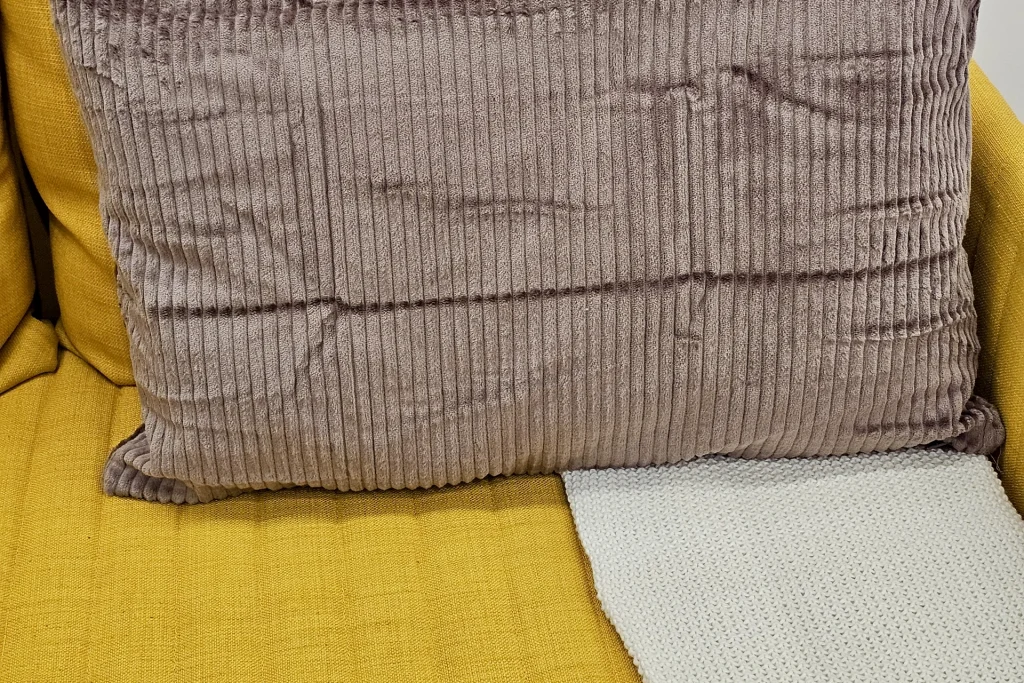
Make a Home Color Reference Before Shopping for Soft Furnishings
Build a portable reference from fabric samples, material notes and room photographs. Use it to compare cushions, throws and curtains with what you…