
Fit & sizing
Sleeve Length and Cuff Shape: Check Fit While Doing Ordinary Tasks
Compare two garments while typing, reaching and fastening their cuffs. A short task circuit helps you describe sleeve interference precisely and choose a…
A clearer view of the things we live with.
Compare two garments while typing, reaching and fastening their cuffs. A short task circuit helps you describe sleeve interference precisely and choose a…
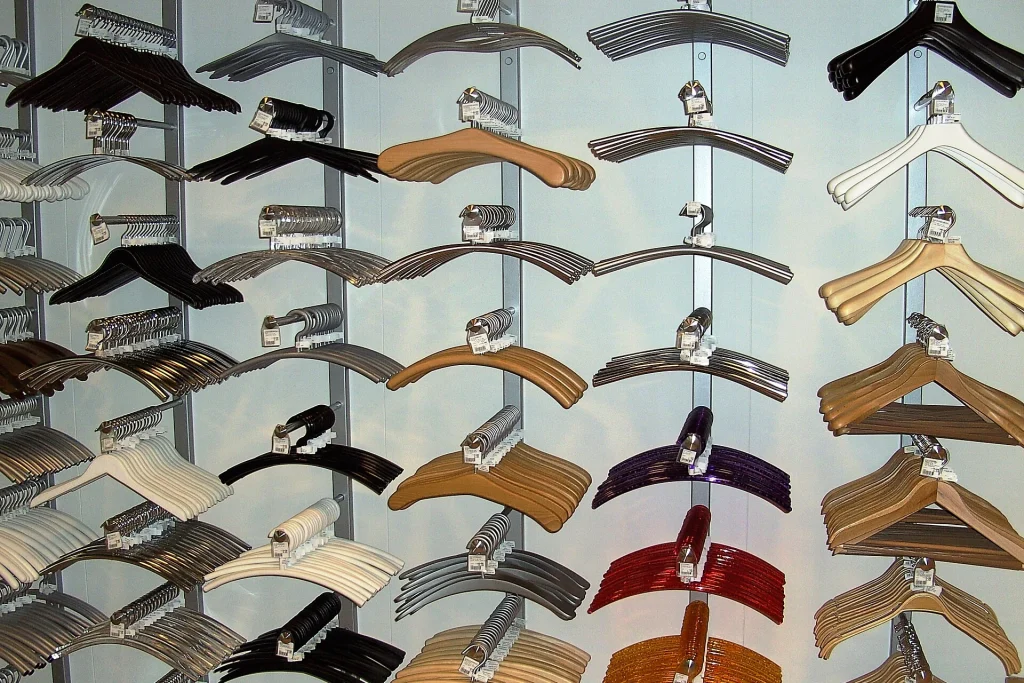
Use a relaxed fold and a drawer layout built around your sweaters' actual size. This practical storage exercise includes a fold sequence, an…

A delayed full charge can reflect a supported charging feature or a temperature-related pause. Use the device’s message, model, and settings to distinguish…

A jacket can feel roomy until your daypack holds parts of it in place. Use your usual layers and a normally packed bag…

A dirty sleeve, reduced water beading and visible damage call for different checks. Use this decision sequence to choose a rain jacket’s next…
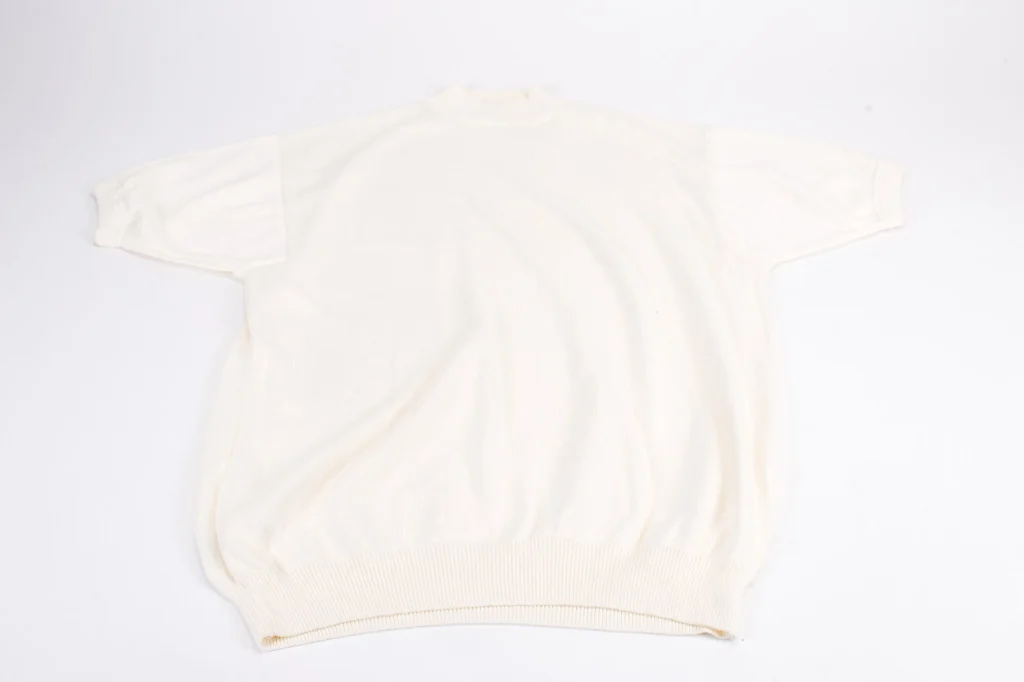
Use three clearly marked places for clean, dry-worn and damp clothing. Add a visible reminder for temporarily contained wet items, then unpack in…

Review large Drive files through ownership, collaborators, replacement copies and links. A worked decision table helps distinguish an obsolete file from one that…
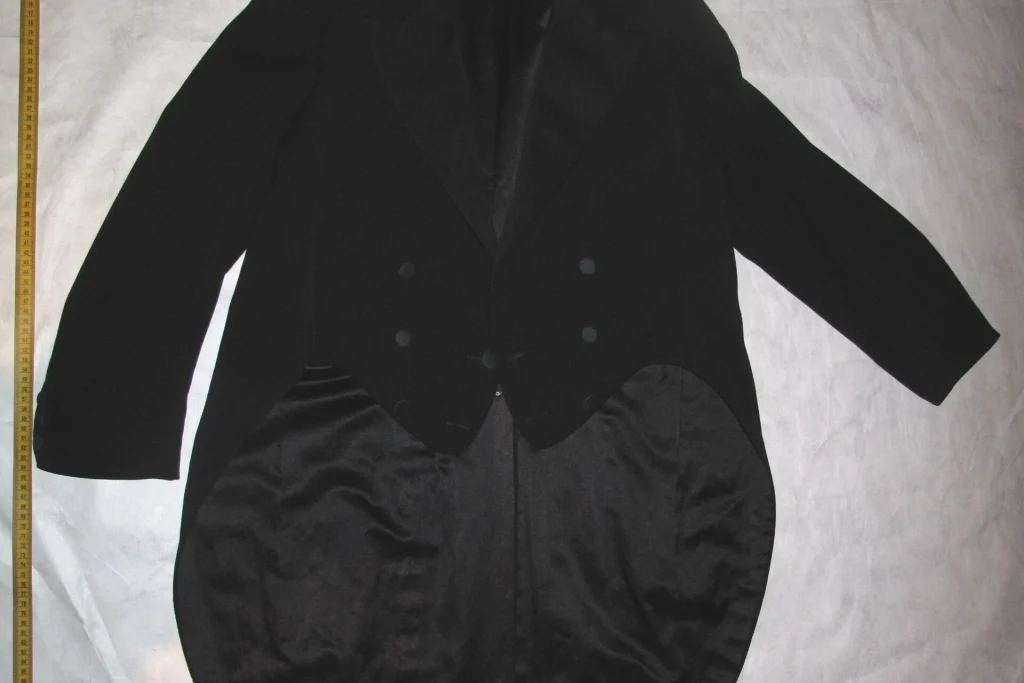
A faded cuff and a failing closure ask different questions. Use a simple defect map to inspect secondhand clothing, record uncertainty and decide…
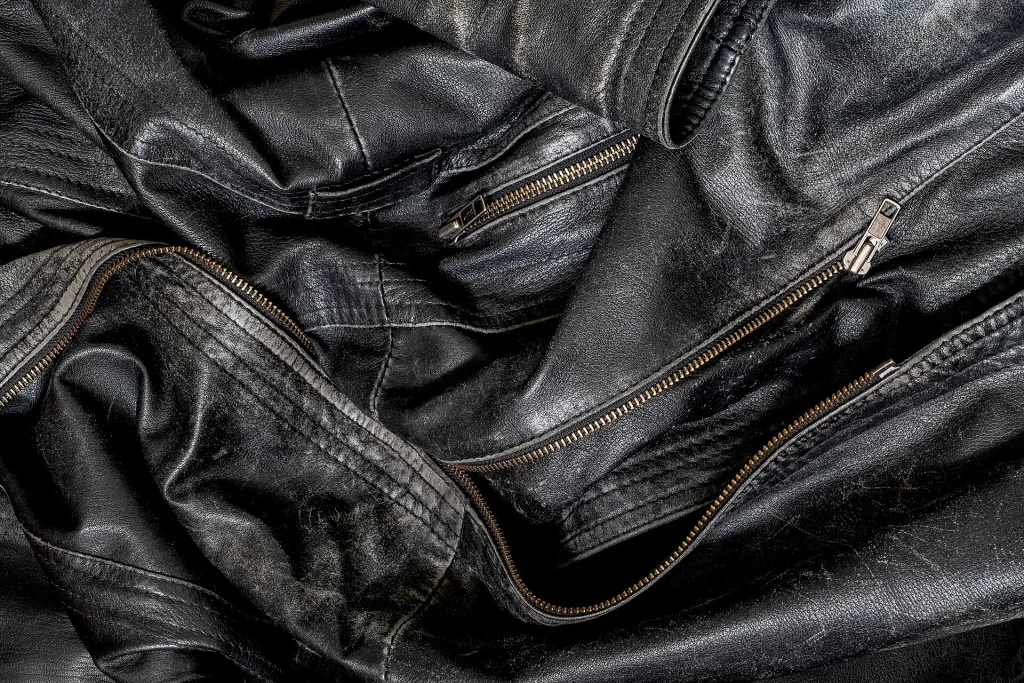
A catching jacket zipper needs a closer look before another pull. Use this visual inspection and symptom record to describe trapped fabric, visible…

Clothes that share a suitcase do not necessarily belong in the same wash. Use care instructions, color-transfer concerns and drying requirements to build…