Plan a Travel Laundry Load From the Labels, Not the Colors Alone
Clothes that share a suitcase do not necessarily belong in the same wash. Use care instructions, color-transfer concerns and drying requirements to build a manageable travel laundry plan, with a worked small-load example.
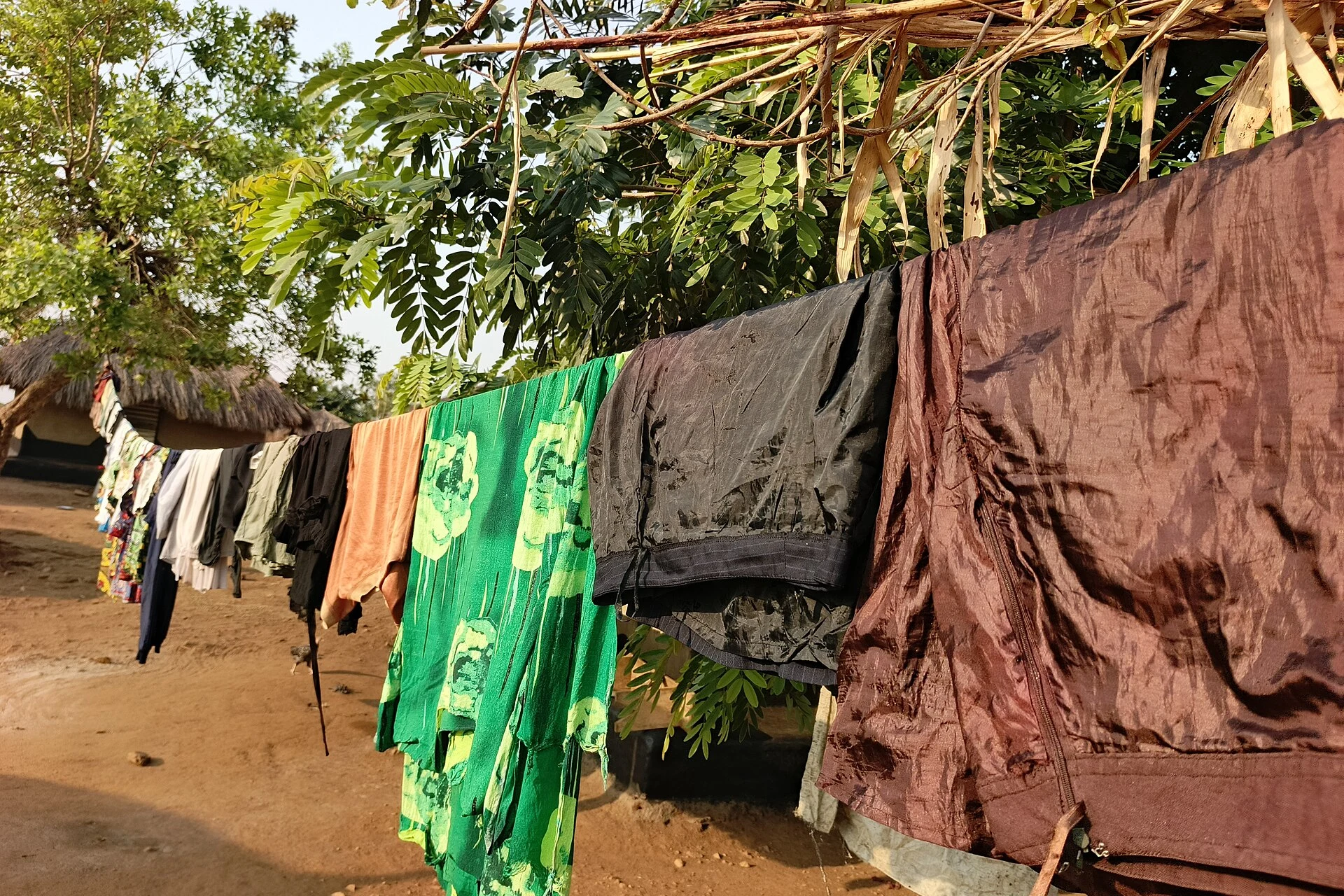

Put two T-shirts, a pair of socks and a waterproof shell beside the laundry basin. They may all need cleaning, but that does not make them one load. Before adding water or detergent, give each item a proposed washing method and a separate drying plan.
The useful question is not simply “Are these all dark?” It is “Can every item follow the same complete wash process, and can I finish caring for each one afterward?” Color is one checkpoint within that decision.
Read the labels before choosing the method
Start with the clothes you actually want to wash, not everything left in the suitcase. Read each care label and note the permitted washing method, temperature, drying instructions and any restrictions. If a symbol is unclear, check the garment maker’s explanation rather than guessing.
Do not turn a machine-wash instruction into an assumed permission for any improvised basin wash. Equally, do not assume a cooler setting makes incompatible garments compatible. Temperature is only one part of the process; detergent, agitation, rinsing and drying still need to fit.
GORE-TEX outerwear provides a specific example. Its care guidance says to follow the garment manufacturer’s instructions and allows washing with similar garments that are not heavily soiled. It also specifies liquid detergent, a second rinse and minimized spinning. Those requirements belong to that outerwear guidance, not automatically to every shirt or pair of socks.
Make a compatibility table, not just color piles
Use this table as a sorting worksheet. It is a decision aid, not a substitute for the instructions attached to an individual garment.
| Checkpoint | Possible shared group | Reason to separate or pause |
|---|---|---|
| Washing instructions | Every label permits the chosen method and settings | A label requires a different method or remains unclear |
| Detergent and rinsing | The same product and rinse process suit every item | One garment prohibits a product or needs a process you cannot provide |
| Color-transfer concern | No unresolved warning or prior transfer concern | A garment has transferred color before, is unfamiliar, or carries a relevant warning |
| Soiling | The proposed group fits each garment’s care restrictions | Heavy soiling conflicts with another item’s instructions |
| Drying | Each item has a permitted drying route available | You cannot finish drying an item before packing or wearing it |
Treat an unresolved color concern as a reason to keep the item out of a valued mixed load. Similar-looking colors do not establish compatible care instructions, and a shared temperature does not resolve a history of color transfer.
Two items can share a wash and then take different drying routes. That is workable only if you remember to separate them at the right point and have space for both routes.
Work through a small-load example
Consider this illustrative group: two familiar dark T-shirts, dark socks, a light top with an unclear label and a GORE-TEX shell. These are hypothetical garments; the decisions below depend on the stated assumptions, not their category names.
- Check the shirts and socks. Suppose their labels permit the same washing process and each has a drying option available. They become a candidate group, subject to any color warnings or previous transfer.
- Hold back the light top. Its unclear instructions leave the method unresolved. Being light-colored is not the main obstacle; missing care information is.
- Assess the shell separately. Check its own label, exact product type and whether the proposed process meets its rinsing and detergent requirements.
- Choose the smallest useful wash. If only the shirts and socks have a complete plan, wash that group rather than expanding it for convenience.
The shell might join compatible garments under its instructions. It does not join merely because there is room. If the available setup cannot provide the required process, leave it out and choose another suitable opportunity.
Confirm drying before starting the wash
Write down where each wet item will go. “Somewhere in the room” is not a plan if the room has nowhere appropriate to lay or hang it, or if you must leave shortly afterward.
Pay particular attention to outerwear exceptions. General GORE-TEX outerwear guidance includes drying and heat steps for restoring durable water repellency, but GORE-TEX garments with persistent beading surfaces, such as SHAKEDRY garments, must not be tumble-dried or ironed. One brand family can therefore contain materially different finishing instructions.
Do not assign a universal overnight drying time. Your useful deadline is when the garment must be ready to wear or pack, and its actual dryness must be checked then.
Keep a short wash-or-wait note
Before starting, complete this reusable note:
- Wash now: named items with compatible instructions.
- Shared process: method, settings, detergent and rinsing.
- Separate afterward: items needing different drying routes.
- Wait: unresolved labels, color concerns or unavailable drying options.
- Next wear: the clean outfit available while this group dries.
Keep footwear out of this clothing worksheet; use a separate care routine for leather, suede and mesh shoes. If your bag uses compartments, an organizer that fits the bag you already use can help keep waiting laundry distinct from ready-to-wear clothes. Neither changes what the care labels permit.
Sources and editorial notes
How to Dry Damp Outdoor Clothing in a Small Room
Set up a temporary drying zone that contains drips, keeps garments apart and preserves a usable walking route. Follow each care label, then…

How Many Clothes to Pack When You Can Wash Partway Through a Trip
A mid-trip wash only reduces packing if clothes are ready when you need them. Use a six-day wear-and-wash grid to count outfits, allow…
Try a Rain Jacket With Your Daypack Before Deciding It Fits
A jacket can feel roomy until your daypack holds parts of it in place. Use your usual layers and a normally packed bag…