Beauty Sets on Sale: Compare the Products You Will Use
Promotional beauty bundles often look like bargains until you calculate the cost of the items you will actually finish. Learn how to evaluate gift sets using strict unit-size arithmetic, assign zero value to unwanted extras, and check formula details before seasonal sales peak.
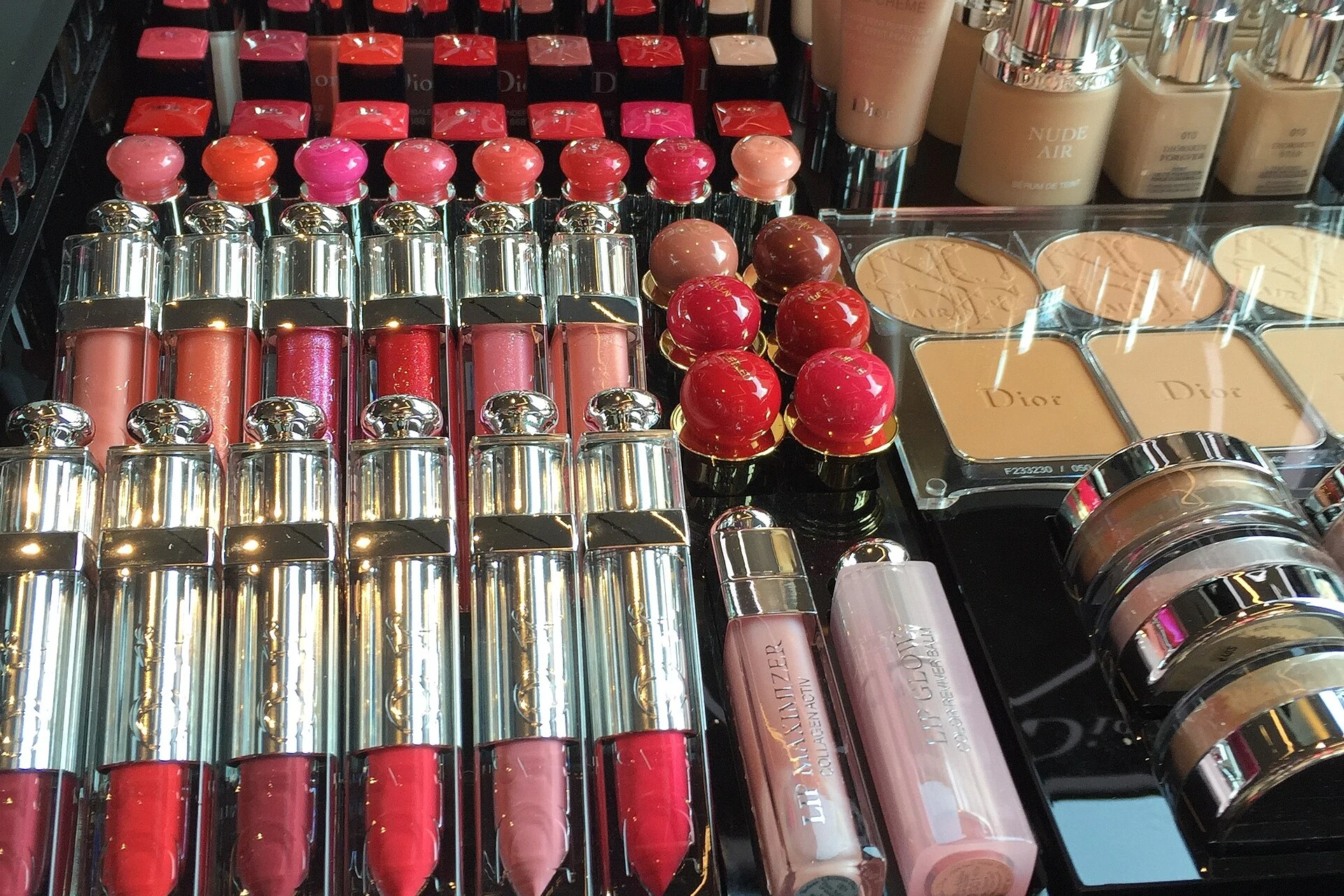

Evaluating beauty sets on sale requires stripping away promotional packaging and calculating the unit cost of only the products you already use. A multi-piece gift box only saves money if the combined retail cost of your regular staples exceeds the bundle price, while every unfamiliar shade, travel pouch, or experimental cleanser is assigned a value of zero.
Adobe’s September 2026 U.S. online holiday forecast anticipates seasonal promotions across several shopping categories. A category-level forecast does not establish the price, availability, or value of a particular item.
Why Advertised Set Values Mislead Shoppers
Retailers routinely print an estimated value on beauty gift boxes based on the theoretical standalone price of every single component inside. That figure assumes you want, need, and will finish every item before its shelf life becomes a concern. When browsing on a phone screen during a timed flash sale, a 40 percent savings badge can easily obscure the actual volume of product in the box.
Many seasonal sets rely on deluxe sample sizes, fabric bags, or bold seasonal shades to inflate the item count. If a bundle contains one full-size daily moisturizer you rely on and three miniature serums that do not fit your routine, the advertised value is irrelevant. You are simply paying the bundle price for one moisturizer and three clutter items.
The Zero-Value Rule for Unwanted Pieces
To protect your budget, apply a strict accounting method: assign $0.00 to any product you would not buy at full price today. This includes cosmetic shades that do not match your complexion, scented lotions you have never patch-tested, and branded makeup bags.
Even if you plan to give away the extra pieces as small gifts, only count them above zero if they directly replace a present you were already budgeted to buy for a specific person. Otherwise, leftover miniatures sit in bathroom drawers until they are eventually discarded.
Hypothetical Unit-Size Arithmetic
Because cosmetic packaging is often designed with thick glass walls or oversized tubes inside cardboard cutouts, visual size is deceptive. Always check the net weight in ounces (oz) or milliliters (mL) listed on the manufacturer label or product specification tab. The following hypothetical example illustrates how to compare a promotional set against a single full-size replenishment purchase.
| Item in Hypothetical Bundle | Container Volume | Standalone Reference Price | Routine Status | Assigned Personal Value |
|---|---|---|---|---|
| Daily Gel Cleanser (Full Size) | 5.0 fl oz (150 mL) | $28.00 | Core staple | $28.00 |
| Hydrating Facial Mist (Mini) | 1.0 fl oz (30 mL) | $12.00 | Unnecessary step | $0.00 |
| Tinted Lip Oil (Seasonal Shade) | 0.15 fl oz (4.5 mL) | $20.00 | Unflattering color | $0.00 |
| Daily Gel Cleanser (Travel Tube) | 1.7 fl oz (50 mL) | $11.00 (sold separately) | Core staple | $9.52 (prorated) |
| Canvas Zipper Pouch | 1 count | $15.00 (stated value) | Excess packaging | $0.00 |
| Hypothetical Bundle Total | 6.7 fl oz usable | $86.00 advertised value | 2 usable items | $37.52 real ceiling |
In this hypothetical scenario, the retailer might advertise an $86.00 value on sale for $42.00. At first glance, paying $42.00 looks like a steep discount. However, your regular full-size cleanser costs $28.00 for 5.0 fluid ounces, which equals $5.60 per fluid ounce. Applying that same $5.60 per-ounce rate to the 1.7-ounce travel tube yields $9.52 worth of usable product. Together, the two cleansers provide 6.7 fluid ounces with a prorated reference value of $37.52. The $42.00 bundle is $4.48 above that prorated reference value. This does not mean 6.7 ounces can be bought separately for $37.52; compare the actual package sizes and checkout totals before deciding.
Pre-Purchase Worksheet for Seasonal Sets
Before adding a holiday box or multi-step kit to your cart, run the exact stock keeping unit (SKU) through this verification checklist:
- Confirm exact formula names: Verify on the brand label that the bundled item is the exact version you use. Brands frequently produce variations with similar names—such as gel-cream versus rich cream, or luminous versus matte—that behave differently in daily wear.
- Sum the usable ounces: Add the net weight or fluid volume of only the items that match your established routine. Ignore everything else in the ingredient and contents list.
- Calculate the baseline unit price: Divide the regular price of your standard full-size bottle by its total ounces or milliliters. Multiply that unit cost by the usable ounces in the set to establish your maximum walk-away price.
- Verify regional and retailer exclusions: Check whether loyalty points, promotional codes, or return policies apply to holiday value sets, as many U.S. merchants classify limited-edition bundles as final sale or exclude them from sitewide coupons.
- Check period-after-opening symbols: Look for the open-jar icon on the packaging (such as 6M or 12M) if visible, and estimate how many months it takes you to finish one standard bottle so you do not overbuy perishable liquids.
Put the Math to Work Before Checkout
Open a notes app on your phone or keep a scratchpad nearby before browsing seasonal beauty promotions. Write down the exact fluid-ounce cost of the three core personal care products you replace most often. When a promotional bundle appears in your feed, multiply its usable volume by your baseline number—and close the tab immediately if the sale price exceeds that threshold.
Related reading
- Black Friday Monitors: Check the Ports on Both Ends
- Appliance Bundles on Black Friday: Price Every Part Separately
Sources and editorial notes
This is a research-based editorial guide, not a hands-on product test. Suggestions and hypothetical examples are our editorial interpretation; current prices, availability and terms should be checked with the provider.

Build Outfit Color Combinations From Clothes You Already Own
Lay out three tops and three bottoms, then photograph the combinations you would actually wear. This simple wardrobe exercise separates useful color pairings…

Choose Everyday Clothing by Care Demands, Not Just Fabric Names
Compare garments by their actual washing instructions, drying space, finishing needs and storage. A care-demand matrix helps you choose clothing that fits your…
How to Compare Clothing Multipacks Without Buying Extras
A five-pack can cost more per shirt you need than a three-pack. Use this worked comparison to count the right colors and sizes,…