Build Outfit Color Combinations From Clothes You Already Own
Lay out three tops and three bottoms, then photograph the combinations you would actually wear. This simple wardrobe exercise separates useful color pairings from imagined gaps before you add another garment.
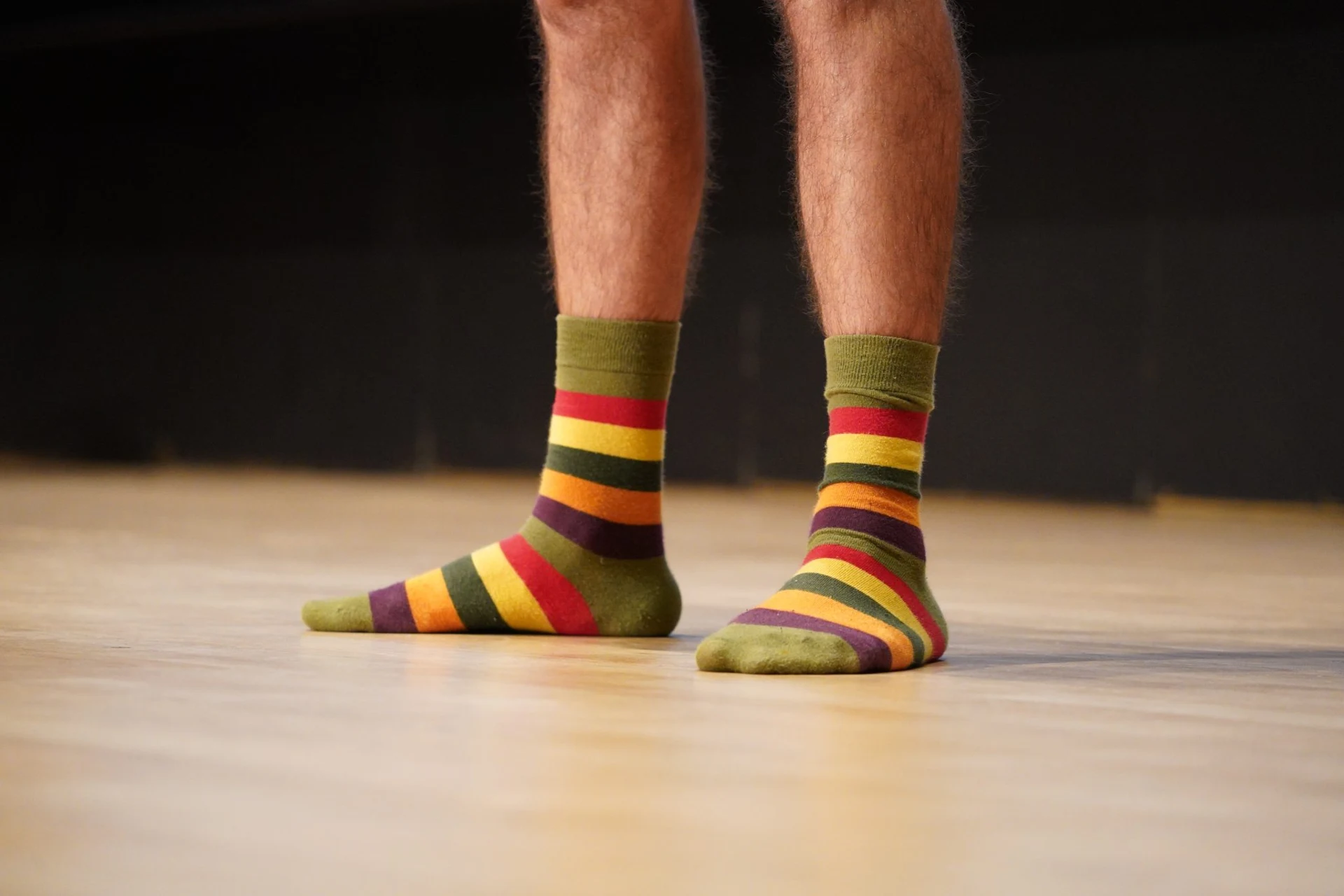
Put a cream shirt, a rust T-shirt and a blue striped top beside navy trousers, olive trousers and light-wash jeans. You now have nine possible pairings to examine—not nine outfits you must like.
This is a small, personal styling exercise. There is no required palette and no score for choosing a particular color. The aim is to discover which combinations you enjoy wearing, using actual garments rather than an imagined version of your wardrobe.
Start with six pieces you already reach for. Leave shopping tabs closed until you have tried the combinations and recorded what, if anything, prevents them from working.
Choose a small set of clothes you can wear now
Select three tops and three bottoms that fit, are available to wear and suit roughly the same season. A favorite winter jumper and lightweight holiday shorts may create an interesting color pairing, but they will not necessarily answer your everyday outfit question.
Choose pieces with some variation. Three nearly identical black tops will tell you less about your preferences than a dark top, a lighter top and a color you find harder to combine. Include one patterned garment if patterns are part of your normal wardrobe.
Write down the colors as you see them: ink blue, washed black, yellowish cream or muted green. These labels are reminders, not technical measurements. Two garments sold as navy need not look identical beside each other.
Keep your usual shoes nearby. They will enter the test later. For now, give each garment a short identifier so your notes remain readable: cream shirt, rust tee, stripe top, navy trousers, olive trousers and pale jeans.
Fill a pairing grid with decisions, not color rules
Place each top beside each bottom. Use three labels: wear, try on and not for me. “Wear” means you already like the combination; “try on” means the flat lay has not settled it.
The following grid is an illustrative set of personal choices. It is not a recommendation that rust must go with navy or that stripes should not go with olive.
| Top | Navy trousers | Olive trousers | Light-wash jeans |
|---|---|---|---|
| Cream shirt | Wear | Wear | Try on |
| Rust T-shirt | Wear | Try on | Wear |
| Blue striped top | Try on | Not for me | Wear |
Add a reason beside every uncertain or rejected pairing. “Too much blue for my taste” is useful. “Wrong” is not: it gives you nothing to test or reconsider.
Distinguish color from other objections. If the cream shirt feels too formal with pale jeans, record “formality” rather than rejecting cream and pale blue as a combination. Otherwise, you may buy a different color when what you wanted was a different shirt shape.
Photograph the uncertain combinations consistently
Lay each uncertain pairing on the same plain surface, in the same place and under similar light. Arrange enough of both garments to show their proportions. Avoid filters, and keep distracting bedding or colorful packaging outside the frame.
Make one photo per pairing and label it with the garment names. Then try the combination on and take a second photo if that feels useful. The flat lay lets you compare colors; the worn view lets you judge the outfit you would actually leave home in.
Treat the photos as a memory aid, not a color reference. Make the final decision while looking at the clothes themselves. A screen view should not overrule a combination you like in person.
For each uncertain outfit, finish this sentence: “I would wear this for ___, with ___ shoes.” If you cannot name a realistic occasion, save it as an experiment rather than counting it as a ready outfit.
Add shoes and layers without changing everything
Take one promising pairing and add your normal shoes. Next, add the jacket or cardigan you would genuinely need. Change only one piece at a time so you can identify what changes your opinion.
Suppose you like the rust T-shirt with navy trousers, but dislike the result with your bright trainers. Try shoes you already own before concluding that the top needs replacing. Equally, you may decide the trainers are the part you most want to keep.
Use this short record for each complete outfit:
- Base: rust tee and navy trousers.
- Finish: existing dark shoes and cream overshirt.
- Use: a casual day out.
- Decision: ready to wear; no purchase needed.
If the bag changes the look more than expected, include it in the photo. Keep its practical role in view too: the tote-versus-crossbody route test is a separate way to assess whether a bag suits your day.
Define a missing link precisely—or leave the gap open
Review the completed outfits rather than counting rejected squares. One bottom that works with all three tops may be more useful to you than three bottoms you only like in one combination each. That is a preference about your routine, not a universal wardrobe formula.
A useful missing-link note names the job: “A casual light-colored layer to wear with the rust tee, navy trousers and dark shoes.” An unhelpful note says only “more neutrals.” First check whether an overlooked cardigan or open shirt already does that job.
Do not turn every blank square into a shopping requirement. You can dislike olive with stripes and still have enough outfits. Repeat the exercise with another small group only when you need more options.
If you eventually buy something, keep the outfit photo beside your shortlist and verify the selected size and color before paying. The purchase should answer a specific outfit need, not merely add another color to the grid.

Choose Everyday Clothing by Care Demands, Not Just Fabric Names
Compare garments by their actual washing instructions, drying space, finishing needs and storage. A care-demand matrix helps you choose clothing that fits your…
How to Compare Clothing Multipacks Without Buying Extras
A five-pack can cost more per shirt you need than a three-pack. Use this worked comparison to count the right colors and sizes,…
Tote or Crossbody Bag for Commuting? Test Your Route Before Buying
Pack two bags you already own and compare them on the walk, the standing stretch, the seated ride, and the moment you take…