A Jacket Zipper Keeps Catching: What to Inspect Before Forcing It
A catching jacket zipper needs a closer look before another pull. Use this visual inspection and symptom record to describe trapped fabric, visible damage or an uncertain fault when asking about repair.
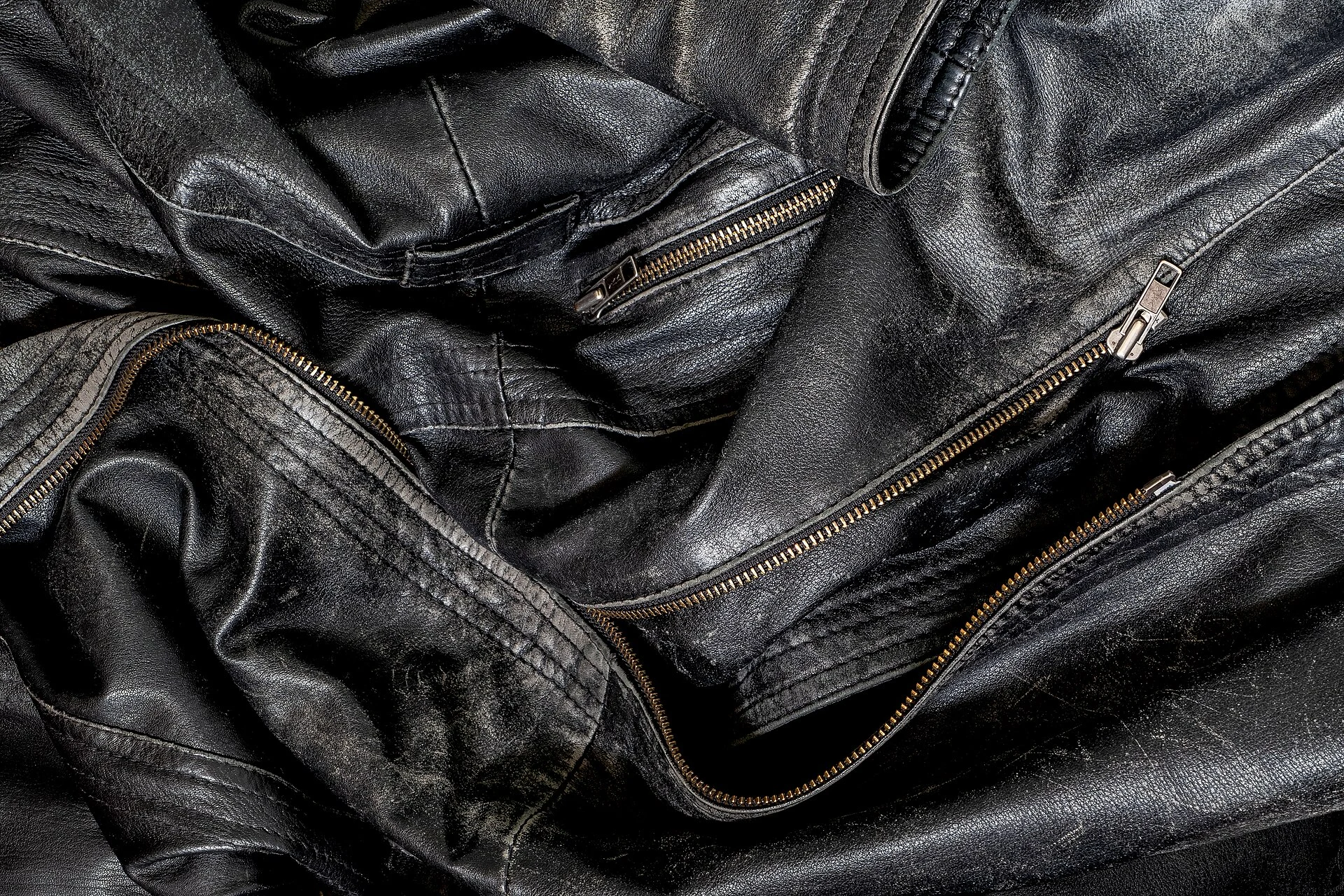

Put the jacket flat on a table and leave the zipper where it stopped. Before another pull, look at the fabric immediately beside the slider: is a fold entering it, is the lining bunched underneath, or is the obstruction out of sight?
That first observation gives you a useful starting point. It does not establish whether the zipper needs replacement. The aim is to describe the catch accurately while avoiding force, dismantling or an improvised treatment that adds another unknown.
Map the place where the zipper catches
Use the following text diagram as a naming guide. Zipper designs vary, so treat it as a simplified map rather than a model of every jacket. You can copy the labels onto a sketch of your own fastening.
LEFT FABRIC                          RIGHT FABRIC
     A — zipper tape   B — chain   A — zipper tape
                           C — slider
                           D — pull tab
     E — nearby lining or flap, beside or behind chain
     F — lower joining point, on separating designs
- A, tape: the strips beside the fastening elements.
- B, chain: the teeth or coil along the opening.
- C, slider: the moving body where the catch occurs.
- D, pull tab: the part you hold.
- E, adjacent fabric: lining, flap or another fabric edge near the slider.
- F, lower joining point: relevant if the problem begins while connecting the jacket front.
Record the location using a fixed landmark: “beside the lower pocket” is more useful than “near the middle.” Note whether this is the front fastening, a pocket zipper or an underarm opening. If you cannot see the slider clearly, record that limitation instead of pulling it into a better position.
Look for fabric involvement without pulling it free
Arrange the loose parts of the jacket so they are supported on the table. Look at both sides of the stopped slider where accessible. A lining fold visibly entering the slider is a concrete observation; fabric merely sitting nearby is less conclusive.
Use ordinary light or a phone camera to inspect the area without putting tools into the fastening. Do not tug the fabric against the slider or keep cycling the zipper to reproduce the catch. If the fabric cannot be inspected without tension, leave it in place for the repair enquiry.
Describe what you see in literal terms. Write “blue lining disappears under the left side of the slider,” rather than “the lining is definitely the cause.” The first description remains useful even if a closer examination reveals a second issue.
Also distinguish a current obstruction from an earlier symptom. If the zipper caught yesterday but is open now, inspect it in its present position. There is no need to create another jam simply to get a photograph.
Separate visible damage from an uncertain fault
Look along the exposed fastening for an obvious gap, displaced element, loose section of tape or damaged fabric edge. These are inspection prompts, not a way to identify the correct repair. A slider that looks ordinary in a photograph can still leave the underlying question unresolved.
Record past behaviour separately from present appearance. Did the zipper catch at one point, resist from the start, or close and then open behind the slider? Report only what already happened; do not carry out repeated test pulls.
For example, an illustrative record might read: “Front zipper stopped beside the right pocket while closing. A fold of lining is visible at the slider. No further movement attempted.” A different record might say: “No fabric visibly trapped; fastening previously opened behind the slider.” Those descriptions give the recipient different questions to investigate without asserting a diagnosis.
Avoid squeezing the slider, bending parts or adding lubricant during this inspection. This process ends at observation. It does not provide a specification for a replacement part or establish that a household substance is compatible with the garment.
Keep washing instructions separate from the zipper fault
A care label answers cleaning questions for the garment; it does not, by itself, explain a mechanical catch. For GORE-TEX outerwear, GORE-TEX instructs owners to follow the garment manufacturer’s instructions and close front, pocket and pit zips before washing.
If a zipper will not close normally, pause the planned wash and ask how to proceed with that garment. Do not force the fastening merely to satisfy a wash-preparation instruction. Equally, do not assume washing will resolve the obstruction you have recorded.
Keep footwear maintenance on its own instructions too. If you are sorting several items after a trip, the separate guide to cleaning and re-proofing waterproof boots provides a relevant next task without transferring boot-care steps to the jacket.
Send a symptom record that supports a useful reply
Take one photograph showing the zipper’s position on the jacket and another showing the stopped area. Photograph accessible sides without moving the slider. Keep the garment label or model information available if you can reach it comfortably.
Copy and complete this enquiry:
Garment and model, if known: ___. Affected zipper: ___. It catches at: ___. What happened before I stopped: ___. Visible fabric involvement or damage: ___. Previous treatment or attempted adjustment: ___. Attached photographs show: ___. Can you advise whether it needs inspection and what information you need before discussing repair?
Ask about the next step before assuming a service, price or replacement is available. Until you receive an answer, leave the fastening unloaded and keep the record with the photographs. The useful outcome is a clear description of what happened and what remains uncertain.
Sources and editorial notes
Clean Your Phone and Case as Two Different Materials
A phone and its removable case can need different care. Build a two-column care card, identify the case material and keep Apple’s material-specific…

Washing a Down Jacket: Plan the Drying Stage Before You Start
Before washing a down jacket, confirm its permitted drying method, arrange equipment and leave time for checks. Use a preparation timeline and observation…
Putting a Spare Device Away for Months: Battery Storage Basics
A spare device needs more than an empty drawer. Build a storage record that captures its exact model, manufacturer instructions, charge preparation, location…